UP TO THE MINUTE

Unlocking the value of commercial roof warranties

By Jesse Sanchez.
Understanding warranty terms, exclusions and responsibilities can help building owners protect their roofing investments and strengthen risk management plans.
Commercial roof warranties can provide an important layer of protection for a building’s roofing system, but Benchmark emphasizes that their value depends on how well owners understand the coverage. Each warranty has its own terms, liability limits, exclusions and owner responsibilities, making careful review essential before the agreement is accepted.
A commercial roof warranty is a contract between the warrantor and the building owner. Some provisions, such as legal jurisdiction, may be relatively easy to negotiate, while added protections for hail or higher wind speeds may require additional costs or changes to the roof assembly.
Roofing material manufacturers typically offer warranties ranging from five to more than 25 years, with 10- and 20-year terms among the most common. Installing contractors generally provide shorter warranties lasting two to five years, although some extend to 10 years. Manufacturer warranties commonly address leaks caused by covered product defects or workmanship issues, while contractor warranties focus on installation workmanship.
These warranties are reactive, not preventive. They may provide a remedy when a covered leak occurs, but they do not stop leaks from developing and should not replace regular roof inspections and preventive maintenance.
Common exclusions can include improper roof design, catastrophic events, unauthorized repairs, incompatible materials, changes in building occupancy and inadequate drainage. Owners may also be required to document maintenance, report leaks promptly, use approved contractors and provide roof access to preserve warranty coverage.
Building owners can strengthen their risk management strategies by combining a long-term manufacturer material warranty with a contractor workmanship warranty, qualified roof design services and a comprehensive annual maintenance program. Property insurance should also be reviewed to understand coverage for significant weather events.
Regardless of the warranty strategy selected, owners should understand exactly what is covered, what is excluded and what actions are required throughout the warranty period.
Learn more about commercial roof warranty coverage, terms and risk management from Benchmark!
Learn more about Benchmark in their Coffee Shop Directory or visit www.benchmark-inc.com.
About the author

Jesse is a writer for The Coffee Shops. When he is not writing and learning about the roofing industry, he can be found powerlifting, playing saxophone or reading a good book.
Recommended For You
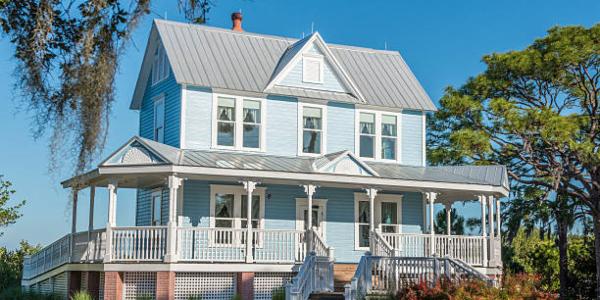
Get the most out of your roof’s performance with metal roofing
Read More ...
The Roofing Alliance announces 2026-2027 Melvin Kruger Scholarship recipients
Read More ...
Learn from the best at FRSA 2025
Read More ...
Comments
Leave a Reply
Have an account? Login to leave a comment!
Sign In