




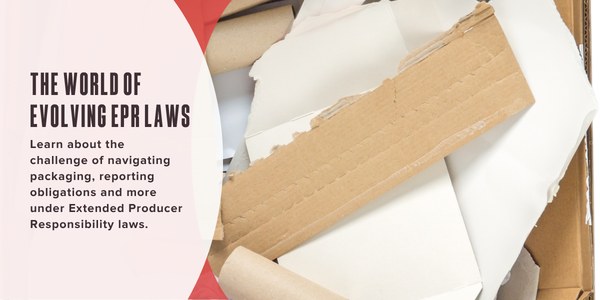
The world of evolving EPR laws
By The Coffee Shops®.
Learn about the challenge of navigating packaging, reporting obligations and more under Extended Producer Responsibility laws.
If you haven’t heard of an EPR (extended producer responsibility) law, you wouldn’t be the only one. EPRs are typically state-level requirements that hold manufacturers (producers) of goods responsible for the packaging collection, recycling and disposal costs related to their products. As Don Browne of the Polymeric Exterior Products Association (PEPA) put it in a recent article:
EPRs are essentially state statutes, although most states have not enacted them yet. States contend that taxpayers or fee-paying residents pay the total cost of sorting and recycling or landfill disposal of packaging used for the products they purchase. They believe that product manufacturers who use this packaging should share the post-consumer cost of handling it.
How do EPR programs do this? On paper, it’s simple – producers pay fees through a Producer Responsibility Organization (PRO), which manages compliance and determines covered materials, reporting requirements, fee calculations and available exemptions.
However, reality is more complicated. For one, every state’s EPR rules are unique with slightly different approaches to fees, definitions and reporting rules. Currently there are seven states that have varying systems and regulations in place, making it difficult and expensive for producers to manage according to PEPA. Manesh Rath, partner at Keller and Heckman LLP and the PEPA general counsel, described the situation, saying, “For seven states, it seems like you would have to hire somebody dedicated to managing the different EPRs... For the projected 25 states that will someday have EPRs, maybe looking at hiring a whole team that may have to focus their attention at least for a significant part of their year on compliance. I don’t yet know how it’s going to get done.”
Another complication is the business-to-business exemptions in EPR laws. For example, Colorado, Minnesota and Oregon provide exemptions covering certain packaging used solely to transport or distribute products to non-consumers. However, how these provisions apply to building products, distributors, installers and homeowners varies by state.
Ultimately, while EPRs are not an inherently flawed idea, the current execution of these laws are often confusing and burdensome. In response to this, PEPA is working with its members to quantify the impact of EPRs on the polymeric exterior products industry with plans to take their findings to state legislators as reasoning for the development of more clear, common-sense rules related to EPRs.
To share your experience or learn more, contact Alex Fernandez at afernandez@polymericexteriors.org.
Learn more about PEPA in their Coffee Shop Directory or on polymericexteriors.org.
Recommended For You

Do You Know Where You Fit in Roofing?
Read More ...
SWIF Rack partners with National Roofing Partners to deliver nationwide C&I installation and roofing services
Read More ...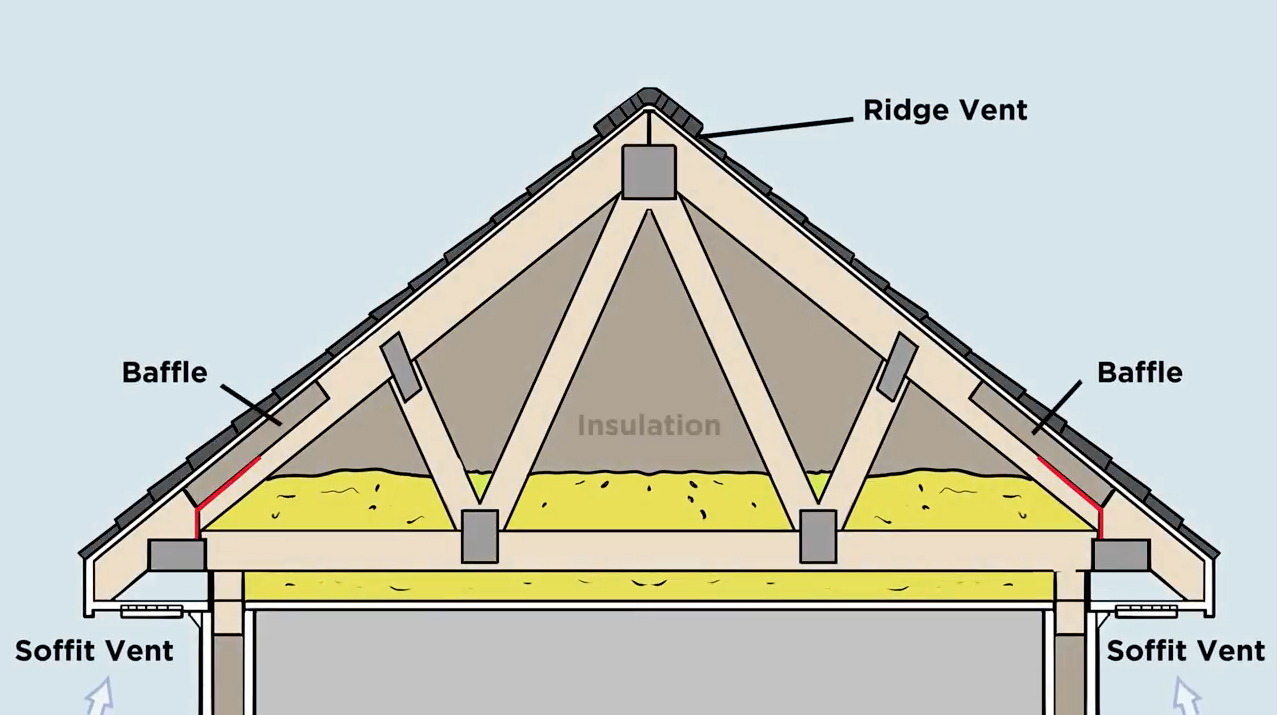
ARMA’s New Video Illustrates Why Homeowners Need Proper Attic Ventilation
Read More ...
UP TO THE MINUTE





Comments
Leave a Reply
Have an account? Login to leave a comment!
Sign In