UP TO THE MINUTE


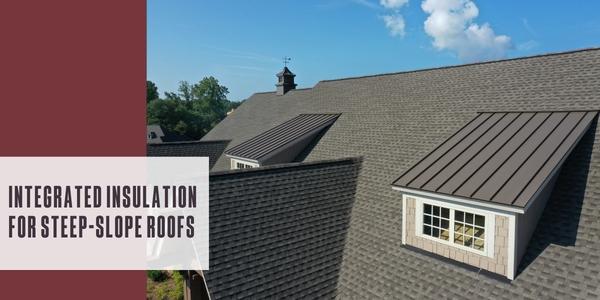
Integrated insulation for steep-slope roofs
By Jesse Sanchez.
Composite insulation solutions combine thermal performance, a nailable substrate and moisture-management features for steep-slope applications.
Steep-slope roofing systems must address several performance demands at once, including thermal efficiency, ventilation, fastening and long-term durability. Hunter Panels offers two composite insulation products designed for these assemblies: H-Shield® NB and Cool-Vent™. Steep-slope roofs generally range from 3:12 to 12:12. Within these systems, insulation may need to provide a stable nailable surface, resist wind uplift, manage moisture and help maintain consistent roof temperatures. Improper insulation or ventilation can contribute to ice dams, shortened shingle life and moisture-related failures.
H-Shield NB combines a closed-cell polyisocyanurate insulation core with an oriented strand board (OSB) or plywood substrate. The insulation provides thermal resistance, while the wood surface supports finished roofing materials such as shingles and standing seam metal systems. The panels can be used in new construction and reroofing applications where continuous insulation above the structural deck is desired.
Cool-Vent is designed to add ventilation to steep-slope assemblies. The panel combines rigid polyiso insulation with a plywood or OSB substrate and integrated spacers that create an airspace beneath the roof covering. This space supports airflow from the eave to the ridge, helping regulate roof surface temperatures.
Cool-Vent is intended for roof slopes of 3:12 or greater and is always mechanically fastened. Fastening requirements for both systems depend on factors including roof pitch, deck type, wind speed, snow load and building risk category.
For insulation assemblies thicker than 3.5 inches, Hunter Panels recommends a two-layer system with staggered joints to reduce thermal loss and limit condensation risk. Both products also feature rabbeted wood substrates on all four sides to support thermal continuity while allowing for wood movement.
Learn more about Hunter Panels in their Coffee Shop Directory or visit www.hunterpanels.com.
About the author

Jesse is a writer for The Coffee Shops. When he is not writing and learning about the roofing industry, he can be found powerlifting, playing saxophone or reading a good book.
Recommended For You
Yearly maintenance for DECRA metal roofs
Read More ...
Momentive Announces North American Center of Excellence for Silicone Elastomer’s Custom Compounding
Read More ...
The secret to managing commercial roofing projects
Read More ...
UP TO THE MINUTE

Comments
Leave a Reply
Have an account? Login to leave a comment!
Sign In