


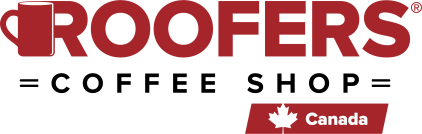
Breaking down four synthetic roofing myths
By Jesse Sanchez.
Modern synthetic roofing can offer homeowners the appearance of natural materials while addressing concerns about durability, maintenance and sustainability.
Synthetic roofing and composite shingles are becoming more common as homeowners look for alternatives to traditional roofing materials such as slate and wood shake. While asphalt shingles remain the most common roofing material in the United States, advances in synthetic products are giving homeowners additional options for balancing appearance, durability and long-term performance. Despite those advances, several misconceptions continue to shape how synthetic roofing is viewed. EcoStar highlights four common myths involving durability, appearance, environmental impact and mold and algae growth.
One concern is that synthetic roofing does not last as long as traditional materials. According to EcoStar, synthetic slate shingles can be expected to last as long as natural slate, while synthetic wood shakes can offer greater longevity than natural cedar. Synthetic roofing can also provide resistance to ultraviolet exposure, weathering and impacts. Synthetic cedar products can achieve Class A fire resistance, providing an option for homeowners who want the appearance of wood in areas where fire resistance is important.
Appearance is another frequent concern. Synthetic slate and shake products are designed to closely replicate natural materials and have been used on historic structures where maintaining a traditional look matters. Their lighter weight can also make them an option for buildings that may not be able to support natural slate.
EcoStar also notes that many synthetic roofing products incorporate post-industrial recycled materials-. Their recycled plastic and rubber composition can also make them naturally resistant to mold and algae growth, with additional algae-resistant coatings available when needed.
Like any roofing system, synthetic products still require periodic inspections for damaged or displaced tiles, debris and other conditions that could affect performance. However, today’s products give homeowners another way to achieve the appearance of slate or wood shake while addressing many of the limitations associated with natural materials.
Learn more about EcoStar in their Coffee Shop directory or visit ecostarllc.com.
About the author

Jesse is a writer for The Coffee Shops. When he is not writing and learning about the roofing industry, he can be found powerlifting, playing saxophone or reading a good book.
Recommended For You
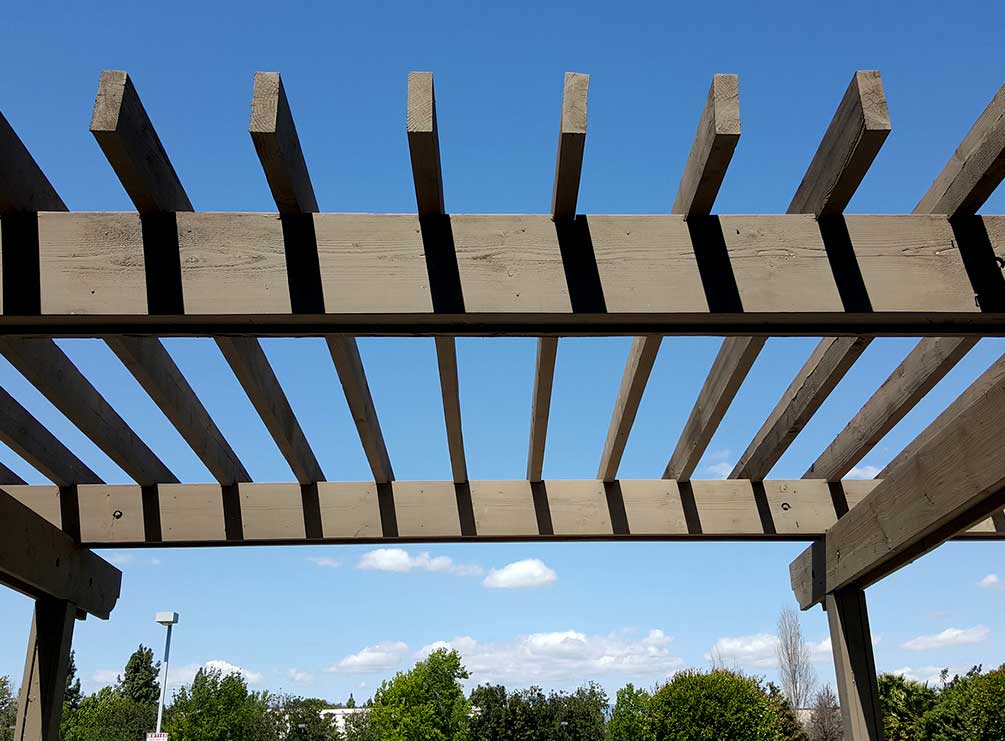
Outdoor Shade: The Scoop on Pergolas, Gazebos, Awnings and More
Read More ...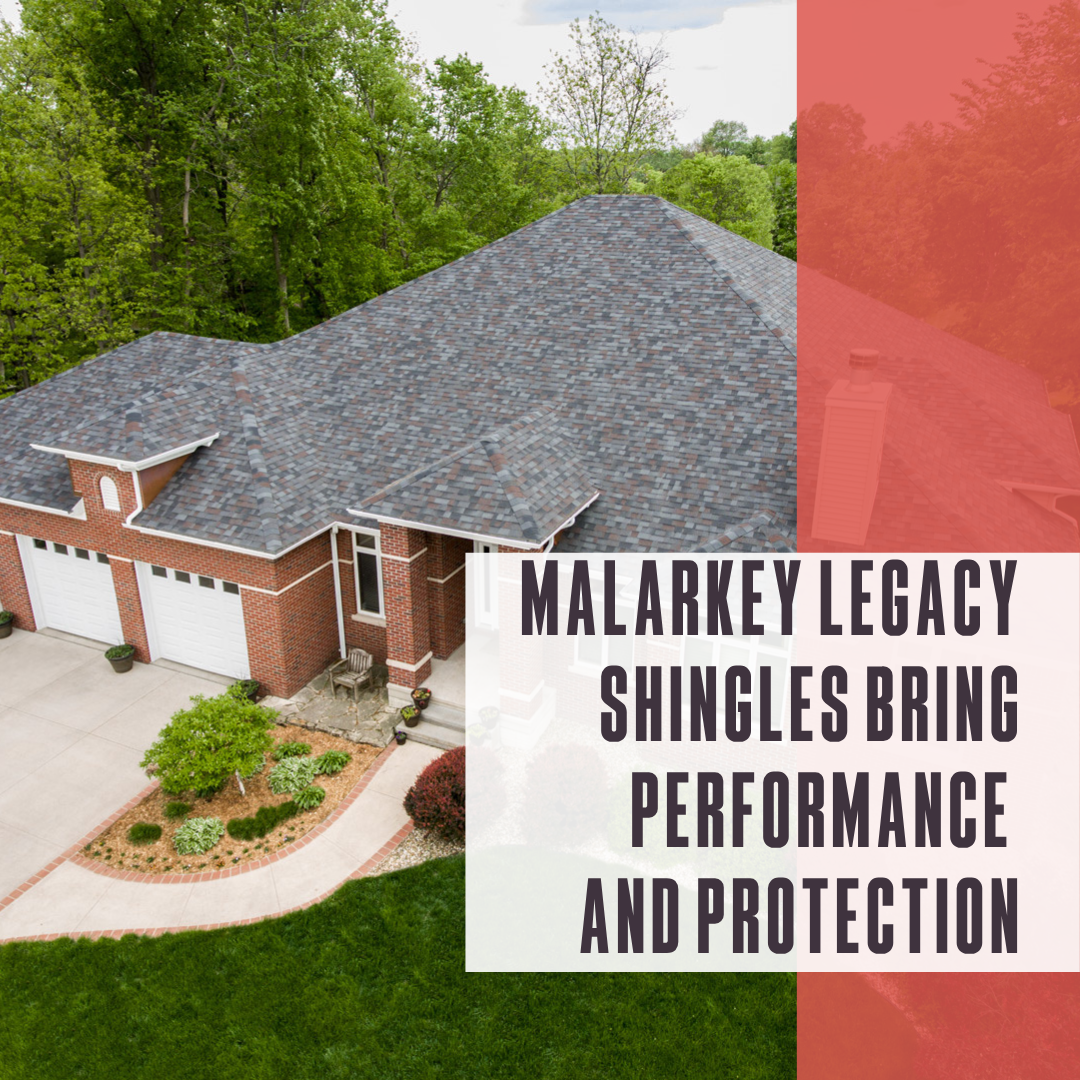
Malarkey Legacy® Shingles bring performance and protection
Read More ...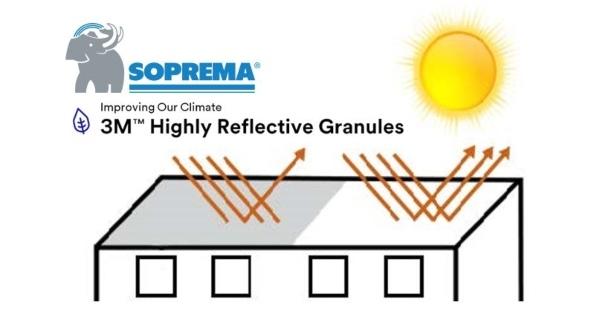
SOPREMA® and 3M Collaborate to Create Brighter Future
Read More ...
UP TO THE MINUTE



Comments
Leave a Reply
Have an account? Login to leave a comment!
Sign In